1. Lithium Batteries
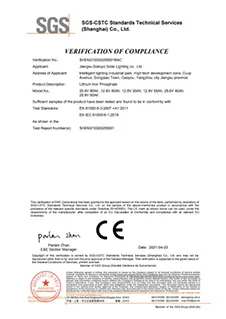
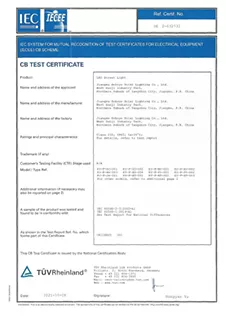
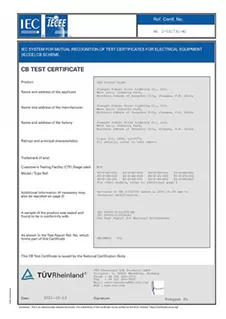
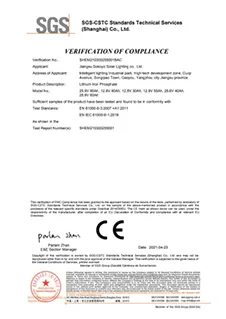
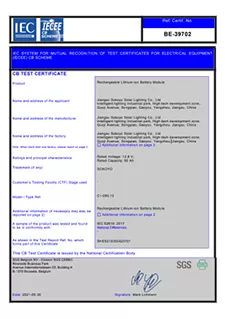
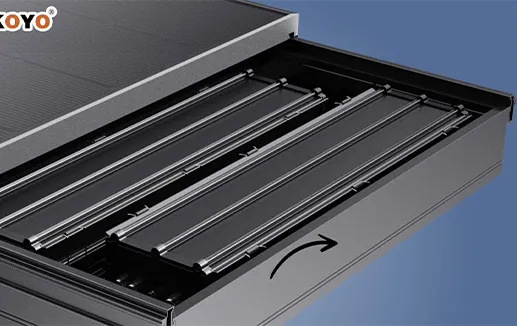
The service life of solar street lights is largely determined by the battery cycle life. As an energy storage device, lithium batteries are classified as Class 9 dangerous goods (UN Model Regulations, also known as the Orange Book). Therefore, numerous details must be noted during the transportation, container loading and application of lithium battery cells and packs. SOKOYO lithium batteries are certified under the CB system based on IEC standards. The CB system imposes strict requirements on cells and assembled battery packs:
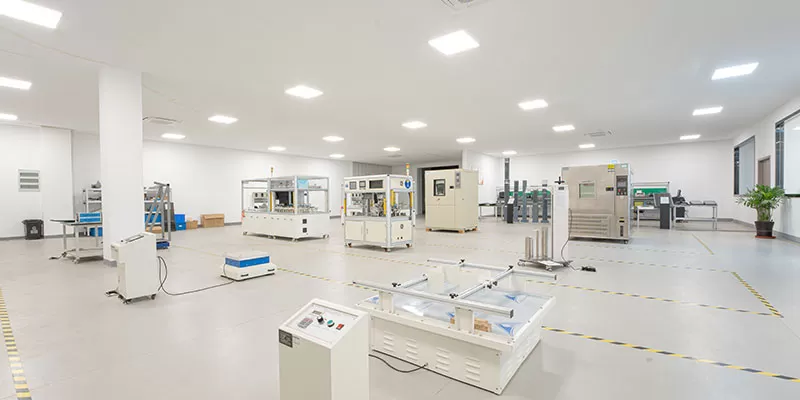
Cell requirements: Continuous low-rate charging, vibration, temperature cycling, external short circuit, free fall, shock, thermal abuse (thermal shock), compression, low air pressure, overcharging, forced discharge, high-rate charging protection (lithium chemistry), marking, packaging and proper installation.
Battery pack requirements: Vibration, housing stress under high temperature, temperature cycling, external short circuit, free fall, shock, marking, packaging and overcharging.
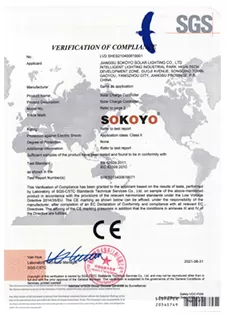
SOKOYO continuously strengthens cooperation with internationally authoritative third-party institutions such as SGS and TÜV Rheinland to obtain a full range of professional certifications. Meanwhile, the company works closely with CNAS-accredited laboratories. In accordance with international transport regulations issued by the International Civil Aviation Organization, we have obtained air and sea transport identification certificates, providing reliable support for the export of solar street lights and greatly reducing transportation risks for our customers.
2. Luminaires & Light Source Modules
The light source directly determines the lighting performance of a solar system. SOKOYO completes corresponding certifications for target markets: CE certification for EU exports (compliant with IEC 60598), RoHS certification (restriction of hazardous substances), IP66 rating, salt spray test, LM79/LM82 and light source energy efficiency certifications. Among them, the LM79 report is highly valuable for lighting design. It delivers real total luminous flux, luminous intensity distribution and chromaticity parameters, ensuring that simulation data matches actual performance in road lighting calculations.
SOKOYO all-in-one solar street lights, split solar street lights and light source modules have passed tests to IEC 60598-2-3 and IEC 60598-1:2014, with corresponding CB system certificates and SASO energy efficiency certificates.
3. Charge Controllers
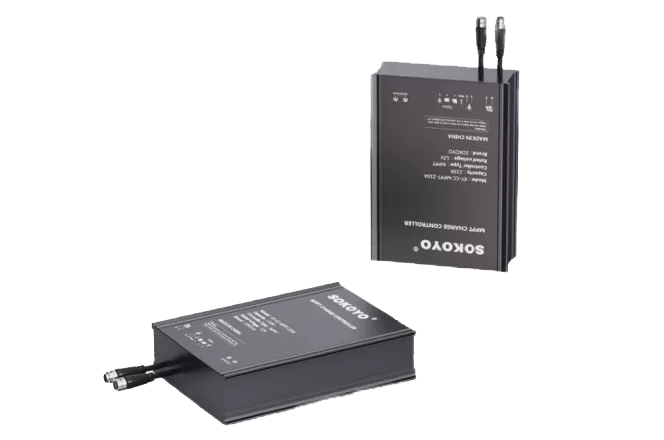
As the core "brain" component of solar street lights, charge controllers are subject to stringent requirements set by the International Electrotechnical Commission, including CE-LVD and mandatory electromagnetic compatibility requirements. The RLZ and MLZ series MPPT controllers independently developed by SOKOYO have obtained relevant certifications.
4. PV Modules
Solar panels are the core power-generating components of solar lighting systems. Their performance and reliability directly affect the efficiency and long-term stability of the whole system.
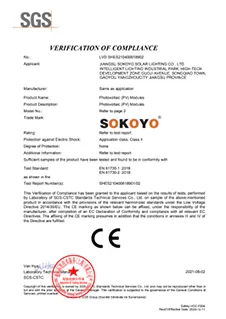
IEC 61215 is the key standard to verify the durability of crystalline silicon PV modules under outdoor conditions. It covers a series of environmental and mechanical tests such as thermal cycling, damp heat, freeze-thaw, mechanical load, hail impact, bypass diode functionality, insulation performance and UV pre-conditioning. After passing all tests, the power attenuation of the module shall not exceed 5% of its initial output to meet the standard.
IEC 61730 focuses on the safety performance of PV modules, including structural requirements and test criteria. It ensures module designs meet required safety standards, including Class II protection. Main test items:
Protection against electric shock: Verified by dielectric strength test, wet leakage current test and earth continuity test to guarantee safe operation even in humid environments.
Fire safety assessment: Evaluates the fire resistance of modules and their ability to limit flame spread.
Mechanical and environmental stress tests: Check for physical damage, sharp edges and structural integrity after long-term exposure to thermal cycling and damp heat conditions.
SOKOYO works closely with TÜV Rheinland to test PV modules with power ratings ranging from 30W to 410W. All products are certified and compliant with international standards to guarantee reliable solar panel performance and satisfy diverse requirements of global customers.
5. Light Poles
EN 40 Standard (Structural & Performance Requirements for Light Poles)
EN 40 is the core European standard for road lighting poles. EN 40-5 applies to steel poles while EN 40-6 applies to aluminium poles. The core requirement of this standard is that products can only be launched on the market after passing rigorous type tests.
Main test items:
Static load test: Dead load, wind load and snow load are applied to measure deflection and deformation of light poles, ensuring the deformation stays within allowable limits under normal operating conditions and no structural failure or collapse occurs under extreme design conditions.
Dynamic and durability test: Fatigue tests simulating long-term alternating loads are carried out to verify that no cracks or fractures occur under cyclic stress and ensure structural durability.
Corrosion resistance test: Evaluate the corrosion resistance of surface coatings or base materials for steel or aluminium poles to adapt to long-term outdoor service.
SOKOYO steel and aluminium light poles have completed relevant tests in cooperation with ICR Polska Co., Ltd. and obtained EN 40 certification in 2022, ensuring the products meet technical and safety requirements for high-standard projects.