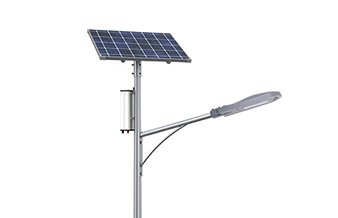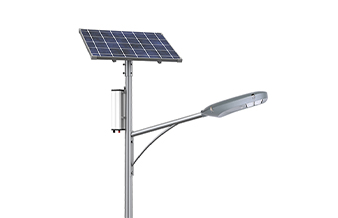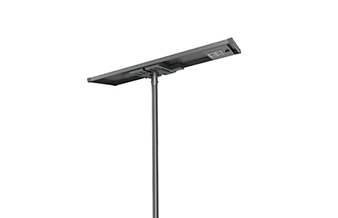

AI-Generated Illustration (ChatGPT)
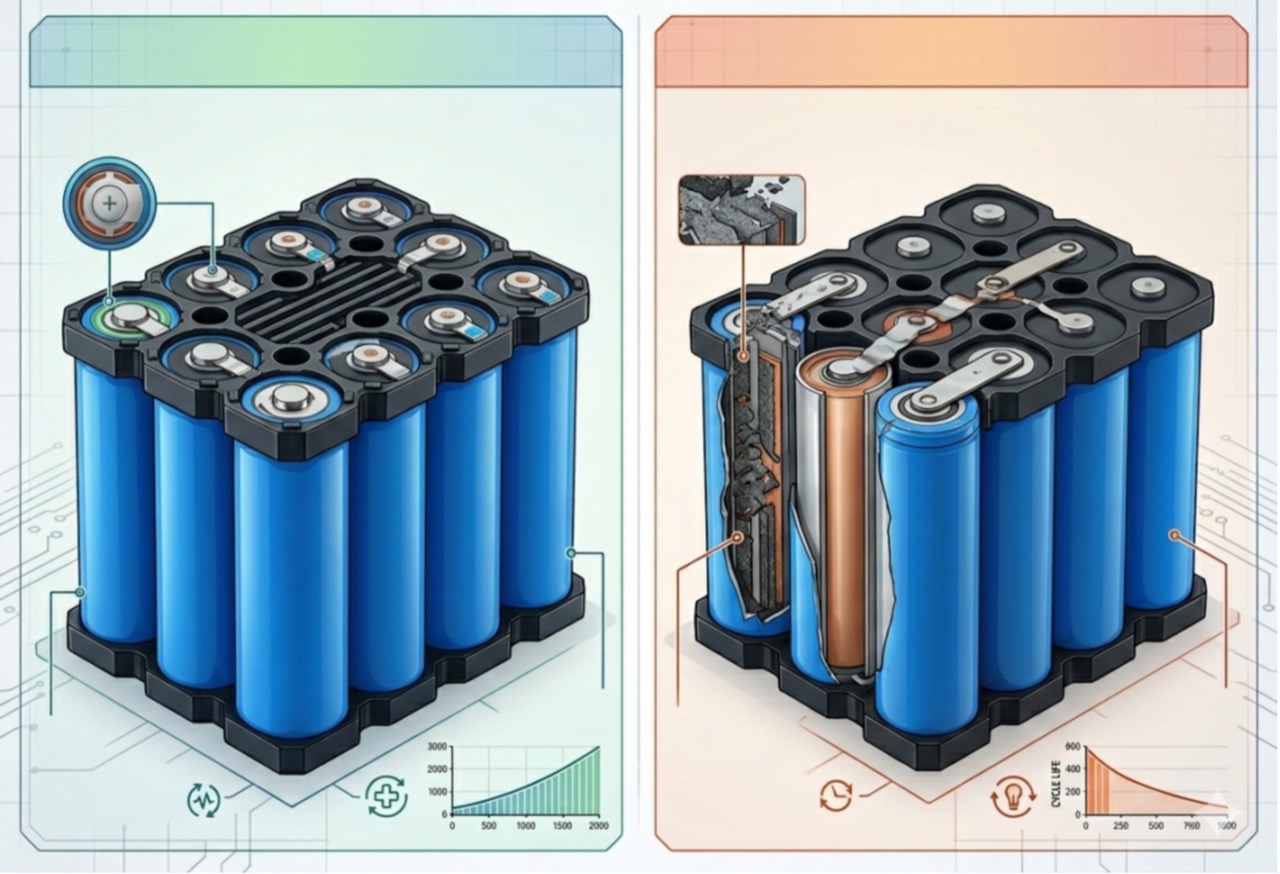
In the solar street lighting industry, external appearances are often identical. Yet a persistent question remains: if two products look the same and use the same chemistry, why does one operate reliably for 5 years while the other fails within months—especially during critical rainy seasons?
The difference lies beneath the surface. Using the 33140 LiFePO4 cells standard at SOKOYO, let's examine the engineering factors that dictate long-term durability.
1. The Foundation: Cell Grade and Specification
A battery pack is only as strong as its weakest cell. Many budget-focused packs on the market rely on recycled cells or Grade B stock. These cells suffer from high internal resistance, overstated capacities, and poor consistency. When a single cell in a series lags behind, it limits the pack's performance, leading to premature system shutdown.
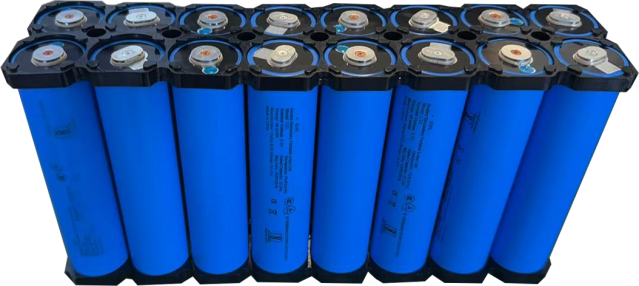
At SOKOYO, we utilize high-capacity cylindrical 33140 LiFePO4 cells. Compared to the smaller, fragmented cells found in low-end packs, the 33140 format requires fewer welding points and provides a more stable internal structure. We insist on brand-new Grade A cells, which offer superior chemical stability and safety—critical for the outdoor rigors of solar street lighting.
Real battery photo of SOKOYO
2. The Internal Resistance and Active Balancing
In technical circles, "internal resistance" and "consistency" are the true metrics of battery quality.
Minimizing Heat: High internal resistance converts energy into wasted heat during charge/discharge cycles. Heat is the primary driver of battery aging. The 33140 cell’s low-resistance design ensures higher conversion efficiency and prevents thermal stress that can destroy cheap batteries.
Active Balancing vs. Passive Protection: Over time, individual cells inevitably drift in voltage. A standard protection board (BMS) might stop a pack from exploding, but it won't keep it efficient. SOKOYO utilizes an Active Balancing BMS capable of up to 5A. When a voltage variance of 50mV is detected, the system automatically redistributes the charge. This ensures every cell works in harmony, significantly extending the pack’s service life.
3. Environmental Engineering: Managing Extremes
Solar lights face 50°C summers and -20°C winters. Reliability requires more than just a battery; it requires thermal management.
Heat Dissipation: The cylindrical 33140 structure naturally allows for better airflow and heat dissipation compared to flat prismatic cells.
Low-Temperature Survival: To combat charging failures in cold climates, we use carbon-fiber heating films. By utilizing solar energy during the day to warm the cells, we ensure the battery can accept a charge and discharge power effectively even in freezing conditions.
4. The SOKOYO Standard
Quality is found in the details that remain invisible to the end-user:
Zero Recycled Content: Every 33140 cell is a verified, brand-new Grade A unit directly from the manufacturer.
Verified Capacity: A 20Ah rating is a true 20Ah. We do not inflate specifications to compete on price.
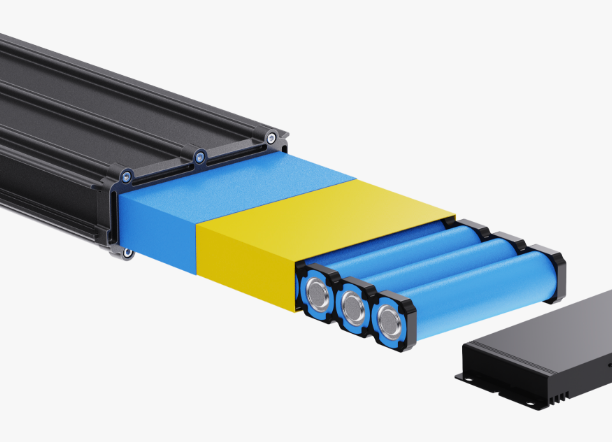
Ruggedized Packaging: Our packs feature professional-grade insulation, vibration-resistant mounting, and fully sealed waterproof housings.
Buying Strategy: 3 Questions for Your Supplier
To verify the durability of a solar battery, ask these three technical questions:
What is the specific cell format? (33140 LiFePO4 is the benchmark for reliability).
Are these Grade A cells? (Request capacity sorting and consistency test reports).
Does the BMS include Active Balancing? (Standard protection is not enough for a 5-year lifespan).
Illustration by SOKOYO
Conclusion
Durability in solar lighting results from intentional engineering, not luck. By prioritizing high-efficiency 33140 cells and optimized BMS technology, SOKOYO ensures that your investment continues to perform long after cheaper alternatives have gone dark.
Currently the last one.